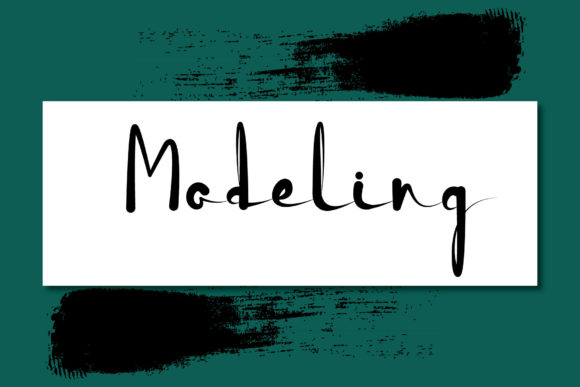
Modeling: A Handwritten Font for Creative Web Design
As a web designer, I'm always on the lookout for fonts that can add a unique touch to my projects. Recently, I had the chance to test Modeling, a sweet and flexible handwritten font, in a real website layout. This typeface is warm, romantic, and jolly, making it a perfect choice for adding a personal and artistic feel to digital designs.
Visual Characteristics and Personality
Modeling stands out with its charming and playful style. The handwritten quality of the font gives a friendly and approachable vibe, which is ideal for creating a welcoming and engaging user experience. The font's warmth and fluidity make it a great fit for brands that want to convey a sense of creativity and authenticity.
Testing Modeling in Real Web Layouts
I decided to use Modeling in a creative portfolio site, where the goal was to showcase the artist's work in a visually appealing and professional manner. Here’s how it performed:
- Hero Section: In the hero section, Modeling was used for the main heading. The font's large, bold, and expressive letters made a strong first impression, drawing the visitor's attention immediately. The handwritten style added a personal touch, making the site feel more like an artist's canvas than a generic portfolio.
- Mobile Responsiveness: When testing the font on mobile devices, I found that Modeling maintained its readability even at smaller sizes. However, I did need to adjust the line height and letter spacing slightly to ensure the text remained legible on smaller screens.
- Image Overlays: Placing Modeling over images in the gallery section worked beautifully. The font's light and airy style complemented the visual content without overpowering it. The result was a harmonious blend of text and imagery that enhanced the overall aesthetic of the page.
Readability and Visual Hierarchy
While Modeling is highly decorative, it still maintains good readability, especially when used for short phrases and headings. For longer text or body copy, I recommend pairing it with a clean sans serif font to ensure the content is easy to read and doesn’t overwhelm the user. This combination not only improves readability but also adds a professional and balanced look to the design.
Web Design Applications
Modeling is versatile and can be used in various web design elements:
- Website Headers: Perfect for creating a memorable and inviting header that sets the tone for the entire site.
- Landing Pages: Ideal for headlines and call-to-action buttons, where the font's personality can help drive engagement and conversions.
- Banners and Ad Graphics: The handwritten style adds a unique and eye-catching element to promotional materials, making them stand out in a crowded digital space.
- Blog Graphics: Use Modeling for blog post titles and featured images to give your content a creative and personal touch.
Practical Considerations and Best Practices
When using Modeling in web design, here are some practical tips to keep in mind:
- Responsive Design: Ensure the font scales well on different devices. Adjust the font size, line height, and letter spacing as needed to maintain readability across all screen sizes.
- Dark and Light Backgrounds: Test the font on both dark and light backgrounds to ensure it remains legible. You may need to adjust the font color or add a subtle shadow to enhance visibility.
- Font Pairing: Pair Modeling with a simple sans serif font for body text. This combination ensures that the main content is easy to read while still benefiting from the decorative flair of the handwritten font.
- Commercial Licensing: Before using Modeling on client projects or commercial websites, check the licensing terms to ensure you have the right to use the font for those purposes.
In conclusion, Modeling is a delightful and versatile handwritten font that can add a unique and personal touch to your web designs. Whether you're working on a creative portfolio, a boutique online store, or a campaign landing page, this font can help you create a visually appealing and engaging user experience. Just remember to balance its decorative nature with practical considerations to ensure your designs are both beautiful and functional.